

Divorce

What Are Common Mistakes Spouses Make During a New Jersey Divorce?

Our Upper Saddle River Divorce Lawyers at Torchin Martel Orr LLC Can Help You Avoid Pitfalls During the Divorce Process

Divorce is not just a legal process—it is emotional, financial, and often overwhelming. In Upper Saddle River, New Jersey, where many families have significant assets or long-term financial plans, the stakes can feel even higher. Small mistakes early on can lead to lasting consequences. Understanding common missteps can help you avoid unnecessary conflict and build a stronger divorce strategy in New Jersey.

Key Takeaways:

  • Emotional decisions often lead to problems.
  • Ignoring financial disclosures can result in penalties.
  • Social media can impact your case.
  • Violating court orders can harm credibility.
  • Using children as messengers can affect custody.
  • Moving out without a plan can create issues.
  • A strong divorce strategy in New Jersey is important.

Why Do Spouses Make Mistakes During Divorce?

Divorce brings out strong emotions. Anger, fear, and stress can lead to impulsive decisions. In New Jersey, especially in high-conflict divorce situations, reacting emotionally instead of thinking strategically can hurt your position. Staying focused and deliberate is key.

What Are Common Financial Mistakes in a New Jersey Divorce?

One of the most serious mistakes is ignoring financial disclosures. New Jersey law requires “full transparency.” Failing to disclose income, assets, or debts can lead to penalties or unfavorable outcomes. Another issue is making large financial changes during the divorce. Selling property or moving money without documentation can complicate the case.

Why Is Posting on Social Media a Risk?

Social media can affect your case more than you might expect. Posts or photos can be used as evidence. For example, showing spending or travel may contradict financial claims. Negative comments about a spouse may also impact custody matters. One of the key things not to do during divorce in New Jersey is to assume social media is private.

What Happens if You Violate Temporary Court Orders?

“Temporary orders” often address custody, support, or property use. Violating these orders is a major mistake. Missing payments or ignoring parenting schedules can harm your credibility. Courts in New Jersey expect full compliance, and violations can affect the outcome.

Why Should You Avoid Using Children as Messengers?

Using children to communicate with a spouse can create additional stress and conflict. In high-conflict divorce cases, this behavior may negatively affect custody decisions. Courts focus on the child’s best interests, and involving them in disputes can be damaging.

Is Moving Out Without a Plan a Mistake?

Yes, leaving the marital home without a plan can create complications. It may affect custody arrangements or access to property. It is important to understand the potential impact before making this decision.

What Other High-Conflict Divorce Mistakes Should You Avoid?

High-conflict divorce mistakes often involve escalating issues instead of resolving them. Refusing to negotiate or focusing on “winning” can increase costs and delay resolution. A practical approach focused on long-term goals is usually more effective.

Frequently Asked Questions:

What is the most common mistake in a divorce?

Failing to disclose financial information is one of the most serious mistakes.

Can social media affect my case?

Yes, posts and messages may be used as evidence.

What if I disagree with a temporary order?

You must still follow it unless the court changes it.

Should I move out during a divorce?

It depends, but planning is important.

Our Upper Saddle River Divorce Lawyers at Torchin Martel Orr LLC Can Help You Avoid Pitfalls During the Divorce Process

Divorce is complex, and avoiding common mistakes can protect your future. Taking a thoughtful approach can help you stay focused on what matters most. Working with our Upper Saddle River divorce lawyers at Torchin Martel Orr LLC can help you navigate the process and move forward with a clear plan. For an initial consultation, call today at 201-971-4866 or contact us online. Located in Paramus, New Jersey, we proudly serve clients throughout the state.


Marital Property Division in New Jersey

Our Bergen County Divorce Lawyers at Torchin Martel Orr LLC Help Build Fair Outcomes During the Divorce Process

Dividing property is one of the most important aspects of a divorce. In Bergen County, New Jersey, this process is governed by “equitable distribution.” This does not mean assets are split evenly, but rather fairly based on each spouse’s circumstances. Understanding how marital property is defined and divided can help spouses prepare for the process and make informed decisions.

Key Takeaways:

  • Marital property includes assets and debts acquired during the marriage.
  • New Jersey uses equitable distribution, not equal division.
  • Separate property may remain unless commingled.
  • The marital home may be sold or awarded to one spouse.
  • Retirement accounts are often subject to division.
  • Agreements can simplify the process.

What Is Considered Marital Property in New Jersey?

“Marital property” generally includes assets and debts acquired during the marriage. This can include homes, vehicles, bank accounts, retirement savings, and business interests. “Separate property” typically includes assets owned before the marriage, as well as certain inheritances or gifts received individually. However, ‘separate property’ can become marital if it is mixed with shared assets.

How Does Equitable Distribution Work?

New Jersey courts divide property based on what is fair, not necessarily equal. Judges consider factors such as the length of the marriage, each spouse’s contributions, and their financial circumstances after divorce. The goal is to reach a balanced outcome that reflects both spouses’ roles and future needs.

How Are Debts Divided in a Divorce?

Marital “debt” is typically divided under the same equitable principles as assets. This can include mortgages, credit cards, and personal loans. Even if a debt is in one spouse’s name, it may still be considered marital if it benefited the household.

What Happens to the Marital Home?

The “marital home” is often one of the most valuable assets. One spouse may keep the home and buy out the other’s interest, or the home may be sold and the proceeds divided. In some cases, one spouse may remain in the home temporarily.

How Are Retirement Accounts and Investments Divided?

Retirement accounts and investments are commonly subject to division. Portions earned during the marriage are typically divided, often requiring specific legal procedures. Investment accounts are also evaluated based on value and ownership.

Can Spouses Reach Their Own Property Agreement?

Yes. Many spouses negotiate a property settlement agreement instead of going to court. Reaching an agreement can provide more control and may reduce time and cost. Once finalized, the agreement becomes part of the divorce judgment.

What Happens if Spouses Cannot Agree?

If spouses cannot agree, the court will decide how property and debts are divided. This may involve financial disclosures, valuations, and hearings. “Contested” cases often take longer and require more detailed review.

Frequently Asked Questions:

Is everything split 50/50 in a New Jersey divorce?

No. Property is divided fairly, not equally.

Can separate property become marital property?

Yes, if it is commingled or used for marital purposes.

Who decides how property is divided?

Spouses can agree, or the court will decide.

Are debts divided the same way as assets?

Yes, marital debts are also divided under equitable distribution.

Our Bergen County Divorce Lawyers at Torchin Martel Orr LLC Help Build Fair Outcomes During the Divorce Process

Marital property division can have long-term financial consequences. Understanding how equitable distribution works in Bergen County can help spouses approach the process with confidence. Working with our Bergen County divorce lawyers at Torchin Martel Orr LLC can help you navigate these issues and move forward. For an initial consultation, call today at 201-971-4866 or contact us online. Located in Paramus, New Jersey, we proudly serve clients throughout the state.

What Not to Do When Divorcing a Narcissist in New Jersey

Our Upper Saddle River Divorce Lawyers at Torchin Martel Orr LLC Offer a Strategic Approach to High-Conflict Divorce

Divorcing a spouse in New Jersey can be challenging, but when one spouse exhibits narcissistic traits, the process often becomes more complex. In Upper Saddle River and throughout Bergen County, these cases frequently involve heightened conflict, communication issues, and strategic challenges that can affect custody, finances, and the overall outcome. Understanding common mistakes in divorcing narcissist situations can help you avoid unnecessary setbacks. A thoughtful divorce strategy narcissist approach can make a meaningful difference, especially when trying to avoid high-conflict divorce mistakes.

Key Takeaways for High-Conflict Divorce in New Jersey

  • Avoid trying to reason with a narcissistic spouse.
  • Do not respond emotionally to provocations.
  • Limit social media activity during the divorce process.
  • Keep detailed documentation of communications and finances.
  • Establish boundaries and avoid letting one spouse control communication.
  • Focus on a structured divorce strategy narcissist approach.

Why Is Divorcing a Narcissist Different?

High-conflict divorce cases often involve patterns of manipulation, control, and escalation. A “narcissistic” spouse may attempt to delay proceedings, create disputes, or challenge agreements repeatedly. New Jersey courts focus on fairness and, when children are involved, the best interest of the child. Recognizing these dynamics early can help you stay focused on the legal process.

Why Should You Avoid Trying to “Reason” With Them?

One of the most common high-conflict divorce mistakes is attempting to “reason” with a narcissistic spouse. While it may seem productive, this approach often leads to more frustration. Instead of resolving issues, it may give the other spouse an opportunity to prolong conflict. A structured approach is typically more effective.

Why Is Responding Emotionally a Mistake?

“Responding emotionally” to provocations can create additional challenges. A narcissistic spouse may attempt to trigger reactions that can later be used against you. In New Jersey divorce proceedings, written communication may be reviewed by the court. Maintaining a calm tone can help protect your position.

Should You Avoid Posting About Your Divorce on Social Media?

Yes, posting about your divorce on social media can create unintended consequences. Statements made online may be introduced as evidence. Even neutral posts can be misinterpreted. Limiting social media activity can help reduce complications.

Why Is Documentation So Important?

Ignoring documentation is one of the most significant mistakes divorcing narcissist cases can involve. Keeping records of communication, finances, and interactions can provide clarity in disputes. Documentation may help establish patterns of behavior.

What Happens if You Let Them Control Communication?

Allowing a narcissistic spouse to control communication can lead to confusion and ongoing conflict. Setting clear boundaries and using structured communication methods can help maintain consistency.

How Does New Jersey Law Address High-Conflict Divorce?

New Jersey courts aim to resolve divorce matters based on fairness and the best interest of the child. In high-conflict cases, courts may enforce structured arrangements and compliance with orders. Understanding this approach can help you avoid unnecessary disputes.

What Is the Best Divorce Strategy for Dealing With a Narcissist?

A strong divorce strategy narcissist approach focuses on preparation and consistency. Avoiding unnecessary conflict and focusing on facts can help keep the case moving forward. Maintaining boundaries and following procedures can help reduce high-conflict divorce mistakes.

Frequently Asked Questions: Divorcing a Narcissist in Upper Saddle River, New Jersey

What are the most common mistakes when divorcing a narcissist?

Common mistakes include trying to reason with them, responding emotionally, failing to document interactions, and allowing them to control communication.

Can social media impact my divorce case?

Yes, social media posts can be used as evidence and may affect how your case is viewed.

How does the court handle high-conflict cases?

New Jersey courts focus on fairness and may implement structured processes to manage disputes.

Is documentation really necessary?

Yes, documentation can help support your position and clarify disputed issues.

Our Upper Saddle River Divorce Lawyers at Torchin Martel Orr LLC Offer a Strategic Approach to High-Conflict Divorce

Divorcing a narcissistic spouse can present unique challenges. Avoiding common missteps and understanding how New Jersey law applies can help you move forward with clarity. Working with our Upper Saddle River divorce lawyers at Torchin Martel Orr LLC can help you navigate high-conflict issues. For an initial consultation, call today at 201-971-4866 or contact us online. Located in Paramus, New Jersey, we proudly serve clients in the surrounding areas.

Gray Divorce: What Older Couples in New Jersey Should Know

Ready to Move Forward? Our Skilled Bergen County Divorce Lawyers at Torchin Martel Orr LLC Can Help You Plan Your Next Steps

Divorce after age 50 has become far more common in recent decades, and it is now known as “gray divorce.” While ending a New Jersey marriage at any age brings emotional and financial challenges, divorcing later in life carries a unique set of concerns that younger people simply do not face. Retirement savings built over decades, Social Security benefits, pension plans, and long-term healthcare costs all come into play.

What Is Gray Divorce?

‘Gray divorce’ refers to the separation or divorce of spouses who are age 50 or older. New Jersey courts handle these cases under the same divorce laws that apply to any married pair, while certain financial and health-related issues receive closer attention because of the stage of life involved.

How Is Property Divided in a Gray Divorce in New Jersey?

New Jersey follows the principle of “equitable distribution,” which means marital property is divided fairly, though not always equally. Because longer marriages tend to accumulate more shared assets, dividing retirement accounts, investments, and real estate requires careful documentation. The court considers factors such as the length of the marriage, each spouse’s income, contributions made during the marriage, and the standard of living established throughout the relationship.

What Happens to Retirement Accounts and Pensions?

Retirement accounts like 401(k) plans and IRAs are often among the most valuable assets in a gray divorce. A legal document called a Qualified Domestic Relations Order, or QDRO, is typically required to divide certain retirement plans without triggering early withdrawal penalties or taxes. Pensions are handled differently depending on whether they are private or government-sponsored, so gathering all account statements before proceedings begin is strongly advisable.

Does Social Security Change After a Gray Divorce?

A divorced spouse may be eligible to collect Social Security benefits based on a former spouse’s work record, as long as the marriage lasted at least 10 years and the claiming spouse is at least 62 years old and has not remarried. This benefit does not reduce what the former spouse receives, which means both parties can collect independently based on the same earnings record. Remarriage, however, ends eligibility for this benefit.

Is Alimony More Common in Gray Divorce Cases?

“Alimony,” known in New Jersey as spousal support, is awarded more frequently in gray divorce cases, particularly in long-term marriages where one spouse may have left the workforce to raise children or support the other’s career. Because older spouses have less time to rebuild their financial footing, New Jersey judges look closely at health, employability, and financial need. Payments may be structured as “limited duration,” “rehabilitative,” or “open durational” alimony depending on the circumstances.

How Does Gray Divorce Affect Healthcare Coverage?

Health insurance is one of the most pressing concerns for divorcing spouses over 50 who are not yet eligible for Medicare at age 65. A spouse who was covered under the other’s employer plan will lose that coverage after divorce and may use COBRA to extend it temporarily, though at a significantly higher cost. Planning for ongoing healthcare expenses is an important part of any gray divorce settlement.

What About Estate Planning After a Gray Divorce?

Divorce automatically revokes certain beneficiary designations and estate planning documents in New Jersey, though not all are changed automatically. Wills, powers of attorney, healthcare directives, and beneficiary forms on life insurance and retirement accounts should all be reviewed and updated as soon as the divorce is finalized. Failing to do so could result in unintended distribution of assets to a former spouse.

Ready to Move Forward? Our Skilled Bergen County Divorce Lawyers at Torchin Martel Orr LLC Can Help You Plan Your Next Steps

Gray divorce is more common these days, and it is important to have experienced legal guidance when it happens. To learn more, contact our Bergen County divorce lawyers at Torchin Martel Orr LLC. For an initial consultation, call today at 201-971-4866 or contact us online. Located in Paramus, New Jersey, we proudly serve clients in the surrounding areas.

How to Avoid Costly Mistakes in a High-Asset Divorce

Our Bergen County Divorce Lawyers at Torchin Martel Orr LLC Will Fight to Protect Your Financial Future in Divorce Proceedings

Ending a marriage when significant wealth is involved brings unique challenges that can drain finances and prolong proceedings. Many people facing this situation make preventable errors that cost them hundreds of thousands of dollars – or even more. Learning how to avoid the common pitfalls before they occur can shield your assets and lead to a fairer outcome in your high-asset divorce.

What Financial Documents Should Be Gathered Early?

Collecting thorough financial records at the start prevents delays and protects interests later; missing paperwork can allow a spouse to hide wealth or undervalue holdings. Bank statements, tax returns, investment account records, business valuations, retirement account statements, and property deeds form this foundation of asset division. These documents should cover at least three to five years, as they reveal patterns of income, spending, and asset accumulation.

How Can Hidden Assets Affect the Outcome?

Concealed wealth skews division and creates an unfair settlement that favors the dishonest party. Some spouses transfer money to offshore accounts, underreport business income, or give valuable items to friends for safekeeping. Forensic accountants can trace financial activity and uncover these tactics, although this adds time and expense to proceedings. Courts penalize parties who hide assets, which can result in losing credibility and receiving a smaller share of the marital property.

Why Is Business Valuation Important?

Accurate business valuation prevents one spouse from walking away with far less or much more than they deserve from a marital enterprise. To determine true worth, professional appraisers analyze financial statements, market trends, goodwill, and future growth potential. However, some business owners attempt to manipulate these numbers by artificially inflating expenses or delaying income until after the divorce is finalized. An independent appraisal gives the court reliable data for fair division while protecting both spouses from deceptive practices and mistakes that could cost them significant wealth.

What Tax Consequences Should Be Considered?

Dividing assets without accounting for tax implications can create unexpected financial burdens after the divorce is finalized. Retirement accounts, real estate sales, and investment liquidations each carry different tax treatments that affect net value. For instance, taking funds from a 401(k) might trigger penalties and income taxes, while other assets transfer tax-free.

What Mistakes Occur When Dividing Retirement Accounts?

Splitting retirement funds without proper court orders can trigger massive tax penalties and permanent loss of benefits. A Qualified Domestic Relations Order (QDRO) is required to divide most employer-sponsored retirement plans without incurring early withdrawal penalties. Without this document, the account holder may face a 10% penalty plus income taxes on distributions.

How Does the Timing of Asset Division Matter?

The timing of property division can significantly impact its value and the overall settlement amount. Market fluctuations affect stocks, real estate, and business holdings, so timing decisions strategically matters. Waiting too long to divide certain assets may allow one spouse to dissipate funds or reduce values through poor management. Conversely, rushing through division during a market downturn can result in selling assets at a loss rather than waiting for recovery.

What Role Does Lifestyle Documentation Play?

Recording the marital standard of living establishes a baseline for spousal support and asset division discussions. Detailed records of household expenses, vacations, club memberships, and other regular costs demonstrate the lifestyle maintained during marriage. This documentation becomes particularly important when one spouse claims they need substantial support to continue living in the same fashion in the future. Courts consider this information when determining alimony amounts and duration.

Our Bergen County Divorce Lawyers at Torchin Martel Orr LLC Will Fight to Protect Your Financial Future in Divorce Proceedings

If you need experienced legal guidance through a high-asset divorce, contact our Bergen County divorce lawyers at Torchin Martel Orr LLC. For an initial consultation, call today at 201-971-4866 or contact us online. Located in Paramus, New Jersey, we proudly serve clients in the surrounding areas.

What Qualifies as a High-Asset Divorce in New Jersey?

Our Seasoned Bergen County Divorce Lawyers at Torchin Martel Orr LLC Can Help Protect Your Financial Future When You Are Dealing With a Divorce

Divorce can be challenging for any family, but when significant assets are involved, the financial matters can become quite challenging. A high-asset divorce in New Jersey typically involves complex property division, extensive financial documentation, and questions about business interests, real estate, and investments.

What Is Considered a High-Asset Divorce in New Jersey?

A divorce is generally categorized as “high-asset” when the marital estate exceeds one million dollars in total value. This includes income, investments, business interests, stock options, multiple real estate holdings, and retirement accounts. These cases often involve sophisticated financial portfolios that require careful valuation and equitable division under New Jersey’s equitable distribution laws.

How Are Assets Identified and Valued?

Before property division can occur, both parties must disclose all assets and liabilities. Financial professionals may be brought in to accurately value businesses, investment portfolios, and real estate. However, assets are classified as “marital” or “separate,” and only marital property is subject to division. The process involves reviewing tax returns, financial statements, and other documentation to determine true market value.

What Role Does Equitable Distribution Play?

New Jersey follows the principle of “equitable distribution,” meaning assets are divided fairly but not always equally. Courts consider the length of the marriage, each spouse’s income, contributions to the marriage, and future financial prospects. The court aims to reach a division that reflects fairness based on each spouse’s circumstances, rather than simply splitting property in half.

How Are Businesses Handled in a High-Asset Divorce?

When one or both spouses own a business, valuation becomes one of the most significant challenges. The court must determine whether the business is marital property, its market value, and how ownership or proceeds should be divided. This often requires examining records like balance sheets, income statements, and goodwill assessments. In some cases, one spouse may retain the business while compensating the other with a larger share of other assets.

What Happens to Retirement Accounts and Investment Portfolios?

Retirement accounts, pensions, and investment portfolios are subject to equitable distribution if they were accumulated during the marriage. The process often involves Qualified Domestic Relations Orders (QDROs) or similar instruments to divide these assets without tax penalties. Stocks, bonds, and mutual funds are valued as of a specific date, and their division must account for tax consequences and future growth potential.

How Does Debt Factor Into a High-Asset Divorce?

Debt is also divided during the property distribution process. Mortgages, business loans, and credit lines accumulated during the marriage are typically considered marital liabilities. The court evaluates who benefited from the debt and which party is better positioned to manage repayment. Proper documentation is key to determining whether an obligation should be considered shared or individual.

How Are Spousal Support and Lifestyle Considered?

“Alimony” determinations in high-asset divorces often reflect the standard of living established during the marriage. Courts examine income disparity, the duration of the marriage, and each spouse’s earning potential. When substantial wealth is involved, spousal support may be structured to maintain financial stability while promoting independence. The goal is to reach an arrangement that recognizes contributions made by both spouses to the marriage and its financial success.

Can Hidden Assets Affect the Outcome?

“Hidden or undisclosed assets” can have a significant impact on property division and credibility before the court. Forensic accountants may be hired to trace funds, uncover offshore accounts, or review suspicious transactions. Courts take financial transparency seriously, and any attempt to conceal assets may lead to penalties or an adjusted distribution that favors the other spouse.

Our Seasoned Bergen County Divorce Lawyers at Torchin Martel Orr LLC Can Help Protect Your Financial Future When You Are Dealing With a Divorce

If you are facing a high-asset divorce, we can offer experienced legal guidance. To learn more, contact our Bergen County divorce lawyers at Torchin Martel Orr LLC. For an initial consultation, call today at 201-971-4866 or contact us online. We are located in Paramus, NJ.

Dividing High-Value Residences in High-Asset Divorce

Our Bergen County Divorce Lawyers at Torchin Martel Orr LLC Skillfully Handle High-Value Asset Divorce Cases

Addressing the division of luxury properties and valuable real estate holdings in high-asset divorces requires careful legal analysis and strategic planning. There are multiple considerations, like valuation methods, tax implications, and market conditions. The goal is protecting your interests; the process can be overwhelming without experienced legal guidance.

What Determines Property Value During Asset Division?

Multiple appraisal methods may be necessary to establish accurate market values for luxury properties. Professional appraisers consider comparable sales, replacement costs, and income potential when evaluating residential real estate. Market conditions, property improvements, and location premiums also influence final valuations. Courts may require updated appraisals if significant time passes between initial assessments and final property division orders.

How Are Multiple Properties Allocated Between Spouses?

This depends on state laws governing marital assets and the specific circumstances of each case. Some jurisdictions follow “community property” principles, while others apply “equitable distribution” standards. Factors include the length of marriage, individual contributions to property acquisition, and the future financial needs of each party. One spouse may retain the primary residence while the other receives vacation properties or investment real estate of comparable value.

What Tax Consequences Arise From Property Transfers?

Property transfers between spouses during divorce proceedings can qualify for tax-deferred treatment under federal law. However, the recipient spouse assumes the original cost basis, which can create significant capital gains obligations upon future sale. Primary residence exemptions may apply to reduce tax liability, but careful planning is necessary to maximize available benefits. Professional tax advice becomes particularly important when dealing with multiple high-value properties.

When Should Properties Be Sold Rather Than Transferred?

Market conditions and liquidity needs often dictate whether properties should be sold during the divorce process. Immediate sale may be preferable when both parties need cash for other obligations or when property maintenance costs exceed available resources. Declining market values might favor delayed sales, while appreciating markets could support immediate liquidation. The decision requires analysis of carrying costs, market trends, and individual financial circumstances.

How Do Mortgage Obligations Affect Property Division?

Outstanding mortgages and liens must be addressed as part of the property division process. The spouse retaining a property typically assumes responsibility for all associated debt obligations. Refinancing may be necessary to remove the other spouse from mortgage liability, which requires meeting income and credit qualifications independently. Some situations may require property sales if neither party can qualify for loan assumption or refinancing.

What Role Do Business Interests Play in Residential Property Division?

Properties used for business purposes or owned through business entities require additional analysis during asset division. Mixed-use properties combining residential and commercial elements need careful valuation of each component, while business ownership structures may limit transfer options or require partner consent. Professional entities and partnerships often have specific provisions governing ownership transfers that directly affect division strategies.

How Are International Properties Handled in Divorce Proceedings?

As you would expect, foreign real estate holdings add jurisdictional and practical complications to property division. International properties may be subject to different legal systems and transfer restrictions; currency fluctuations can affect property values and complicate equitable distribution calculations. Tax treaties and foreign ownership laws may limit transfer options or create additional reporting requirements for American citizens.

What Options Exist for Continuing Joint Ownership?

Some situations may support continued joint ownership arrangements following divorce, particularly for investment properties or family vacation homes. Detailed agreements must address management responsibilities, expense sharing, usage rights, and future sale provisions. These arrangements work best when both parties maintain amicable relationships and clear communication channels. The associated legal documentation should specify dispute resolution procedures and exit strategies.

Our Bergen County Divorce Lawyers at Torchin Martel Orr LLC Skillfully Handle High-Value Asset Divorce Cases

If you need confidential legal advice about a divorce involving high-value residences, contact our skilled Bergen County divorce lawyers at Torchin Martel Orr LLC. For an initial consultation, call us today at 201-971-4866 or complete our online form. Located in Paramus, New Jersey, we proudly serve clients throughout the state.

Do You Need a Prenuptial Agreement? Lessons from Taylor Swift and Travis Kelce

Secure Your Financial Future: Contact Our Bergen County Prenuptial Agreement Lawyers at Torchin Martel Orr LLC

The engagement of Taylor Swift and Travis Kelce has captured global attention. Beyond fan excitement, it has sparked conversations in legal and financial circles about the role of prenuptial agreements. With Swift’s estimated net worth between $400 million–$500 million and Kelce’s around $90 million, the couple’s differing financial positions illustrate why a prenup can be an important consideration—even for spouses without celebrity-level wealth.

Prenuptial agreements are often misunderstood. They are not just tools for billionaires or for those anticipating divorce. Instead, they are contracts that protect premarital assets, outline financial responsibilities, and help prevent disputes if a marriage ends. The core principle applies universally: clarity and security in financial matters benefit all spouses.

What Is a Prenuptial Agreement?

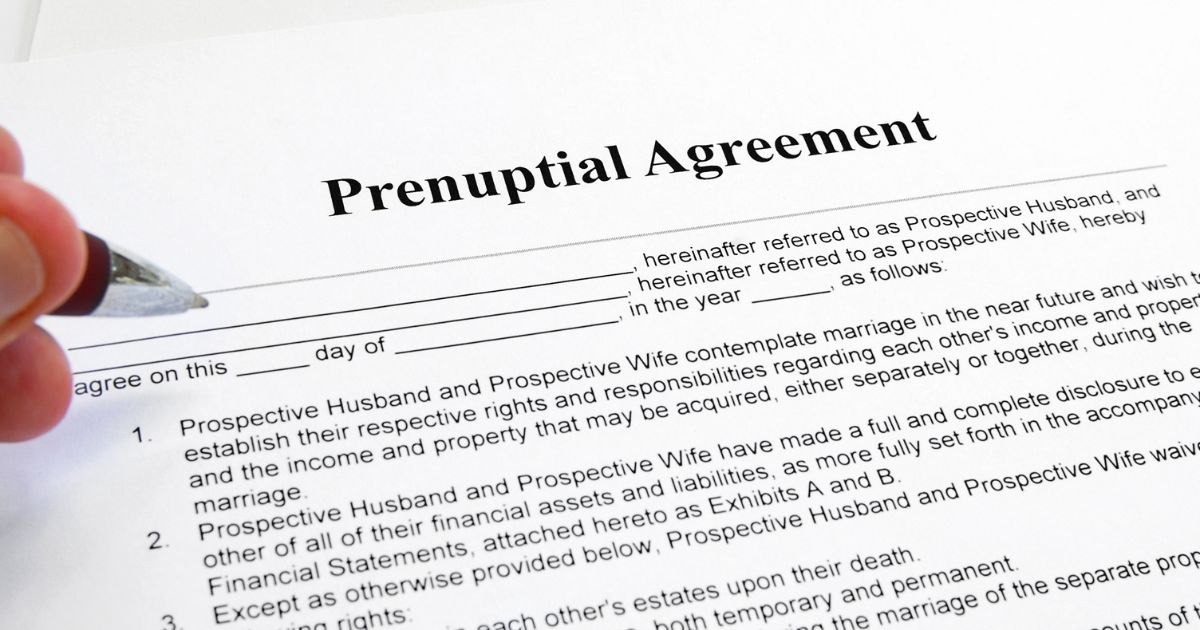
A prenuptial agreement, commonly called a “prenup,” is a legal contract entered into before marriage. It defines how assets and debts will be managed during the marriage and outlines how property will be divided if the marriage ends.

For high-profile couples like Swift and Kelce, prenups are as much about peace of mind and privacy as they are about finances. They help protect creative works, business ventures, real estate, and other significant assets while setting clear boundaries that reduce potential conflicts.

All spouses can benefit from prenups. Prenups can protect a home purchased before marriage, safeguard retirement accounts, clarify debt responsibilities, or preserve a family business. Without clear agreements, disputes can escalate quickly and become costly.

What Key Provisions Are Typically Included in a Prenuptial Agreement?

Celebrity prenups may feature highly specialized clauses, but the underlying concepts translate to all spouses:

  • Asset Protection: Clearly defines separate and marital property.
  • Debt Responsibility: Sets guidelines for managing debts acquired individually or jointly.
  • Spousal Support: Determines alimony or support obligations, if applicable.
  • Estate Planning: Clarifies inheritance rights and the treatment of family gifts or trusts.
  • Confidentiality: Protects private information from public disclosure.

Even modest assets can become complex without such agreements. A prenup ensures that both partners know what to expect financially, which can reduce stress and conflict during marriage.

Who Should Consider a Prenup?

Prenups are not just for the wealthy. Spouses with premarital assets, debt, children from prior relationships, or expectations of inheritance can benefit. A well-drafted prenup sets clear expectations and boundaries, helping spouses focus on building a strong relationship rather than worrying about potential disputes.

How a Bergen County Prenuptial Agreement Lawyer Can Help

A prenuptial agreement is only as strong as its legal foundation. An experienced family law attorney can:

  • Explain state-specific laws that impact property and income division.
  • Identify assets and debts that need protection.
  • Draft enforceable provisions reflecting both partners’ goals.
  • Negotiate terms that reduce tension.
  • Ensure the agreement is executed correctly to stand up in court if challenged.

At Torchin Martel Orr LLC, our family law attorneys guide spouses through the process with personalized advice, ensuring that every prenuptial agreement meets legal standards while addressing what matters most to the clients.

Secure Your Financial Future: Contact Our Bergen County Prenuptial Agreement Lawyers at Torchin Martel Orr LLC

Prenuptial agreements are more than protecting wealth—they are about clarity, fairness, and peace of mind. Call Torchin Martel Orr LLC today at 201-971-4866 or contact us online to schedule a consultation. Speak with a Bergen County prenuptial agreement lawyer about your options. Located in Paramus, New Jersey, we serve clients in Bergen County, Morris County, Essex County, Hudson County, and the surrounding towns in northern New Jersey.

How to Choose the Right Family Law Attorney for Me?

Bergen County Divorce Lawyers at Torchin Martel Orr LLC Understand the Importance of Choosing the Right Family Law Attorney

Navigating a family law matter can be overwhelming, especially when emotions and legal complexities intersect. Whether you are dealing with a divorce, child custody, or property division, choosing the right family law attorney can make a significant difference in both the outcome and your experience.

Knowing what to look for and what to ask can help ensure that you find someone who understands your goals, communicates clearly, and is prepared to advocate for your interests.

What Qualities Matter Most When Choosing a Family Law Attorney?

When selecting a family law attorney, it is important to find someone who focuses their practice on this area of law. While many attorneys may handle a variety of legal matters, those who primarily work in family law are more likely to be up to date with the latest legal trends and court procedures.

Just as important as knowledge and familiarity with the law is the attorney’s demeanor and communication style. You need someone who listens carefully, explains legal issues in plain language, and respects your concerns and priorities. Accessibility is also a key factor. If an attorney or their office is difficult to reach, it could create unnecessary stress during an already challenging time.

How Do I Know if an Attorney Is the Right Fit for My Situation?

Meeting with an attorney for an initial consultation can give you a clear sense of whether they are the right fit. Pay attention to how the attorney responds to your story. Do they seem to genuinely listen? Are they asking questions that help clarify your goals? Are they patient in explaining the legal process? A good attorney should help you understand both the challenges and possible outcomes of your case without making unrealistic promises.

It is also worth considering whether the attorney’s approach to conflict aligns with your own preferences. Some clients prefer a more aggressive approach, while others value a lawyer who can prioritize negotiation and resolution. Knowing what you want can help you find someone who practices in a way that supports your objectives.

What Should I Ask During a Consultation?

During your consultation, you should ask about the attorney’s experience in family law and their approach to handling cases like yours. You may want to know how many years they have been practicing family law, how often they go to court, how they handle negotiations or mediation, and whether they will be handling your case directly or working with associates.

It is also important to ask how often you can expect updates, how communication will take place, and what the billing process looks like. These details can help you set realistic expectations and avoid surprises later on.

Bergen County Divorce Lawyers at Torchin Martel Orr LLC Understand the Importance of Choosing the Right Family Law Attorney

If you are looking for reliable and compassionate representation, our Bergen County divorce lawyers at Torchin Martel Orr LLC are available to help guide you through each step with clarity and care. Call 201-971-4866 or fill out our online form for an initial consultation. Located in Paramus, New Jersey, we serve clients in Bergen County, Morris County, Essex County, Hudson County, and the surrounding towns in northern New Jersey.